
European art markets did not evolve simultaneously or secularly. Instead, their growth was often fragmented and haphazard. The exception was England, which in the eighteenth and nineteenth centuries witnessed the development of a modern art market uninterrupted by wars on native soil and aided by relatively steady economic growth. As art emerged as an exchangeable commodity, dealers and institutions engaged in it were forced to improve their respective exchange qualifications, and the unprecedented explosion of styles that started in the latter part of the nineteenth century can be attributed to the influence of the institutional art dealer.
This book gives a comprehensive account of the history and underlying economics of the modern art market in eighteenth-and nineteenth-century Britain. Bayer and Page argue that economics shaped and developed visual culture to the extent that we should no longer restrict market issues to narrative discussions of dealers’ involvements in the careers of specific artists. Economic, econometric and statistical analyses of two specifically created, and particularly rich, data sets that record over 42,000 auction and dealer-based sales of paintings in London between 1720 and 1910 reveal hitherto unknown transaction patterns and trade modus operandi that offer unprecedented insight into the operations of the art market.
Chapter One
Chapter one examines the changing arts environment in sixteenth-century Netherlands to introduce the methodological concepts we will then apply to eighteenth- and nineteenth-century Britain. Furthermore, by serving as a precedent, the discussion of the Netherlandish art market will show that the later developments in England were not unique to the island but were, in fact, inherent phenomena associated with a structurally transforming and expanding art market. Chief among these was the emergence of professional art dealers. Therefore, it is a further intent of this section to introduce this exchange agent and to illuminate the importance of the role of middlemen and its association with market growth, composition and product diversity.
Chapter Two
Chapter two focuses on the manner in which the British arts environment changed from the beginning of the eighteenth century, when there existed no picture galleries, no museums, and no places where native artists could exhibit their work, to one which, by the 1770s, sported numerous independently organized artists’ organizations, a royally sanctioned academy, public exhibition facilities visited by tens of thousands of fashionable art enthusiasts, and in which the leading exhibitors of the day were no longer foreigners but native born Englishmen. By then, the trade in contemporary pictures and prints had developed into an enormous commercial enterprise; artists had become socially accepted within the circles of ‘respectable’ society; and art criticism had entered its nascent stage. Chapter two specifically discusses the transformation of aesthetic and economic theories and discourse and their steady development towards accommodating an increasingly larger public.
Chapter Two Images

‘William Wollaston and his Family in a Grand Interior’ (1730) by William Hogarth

Conversation Piece (Portrait of Sir Andrew Fountaine with Other Men and Women) by William Hogarth, c. 1730–35
Chapter Three

The Conjuror, by Nathaniel Hone

The Death of the Earl of Chatham, by John Singleton Copley, 1781

The Siege and Relief of Gibraltar circa 1783 John Singleton Copley 1738-1815
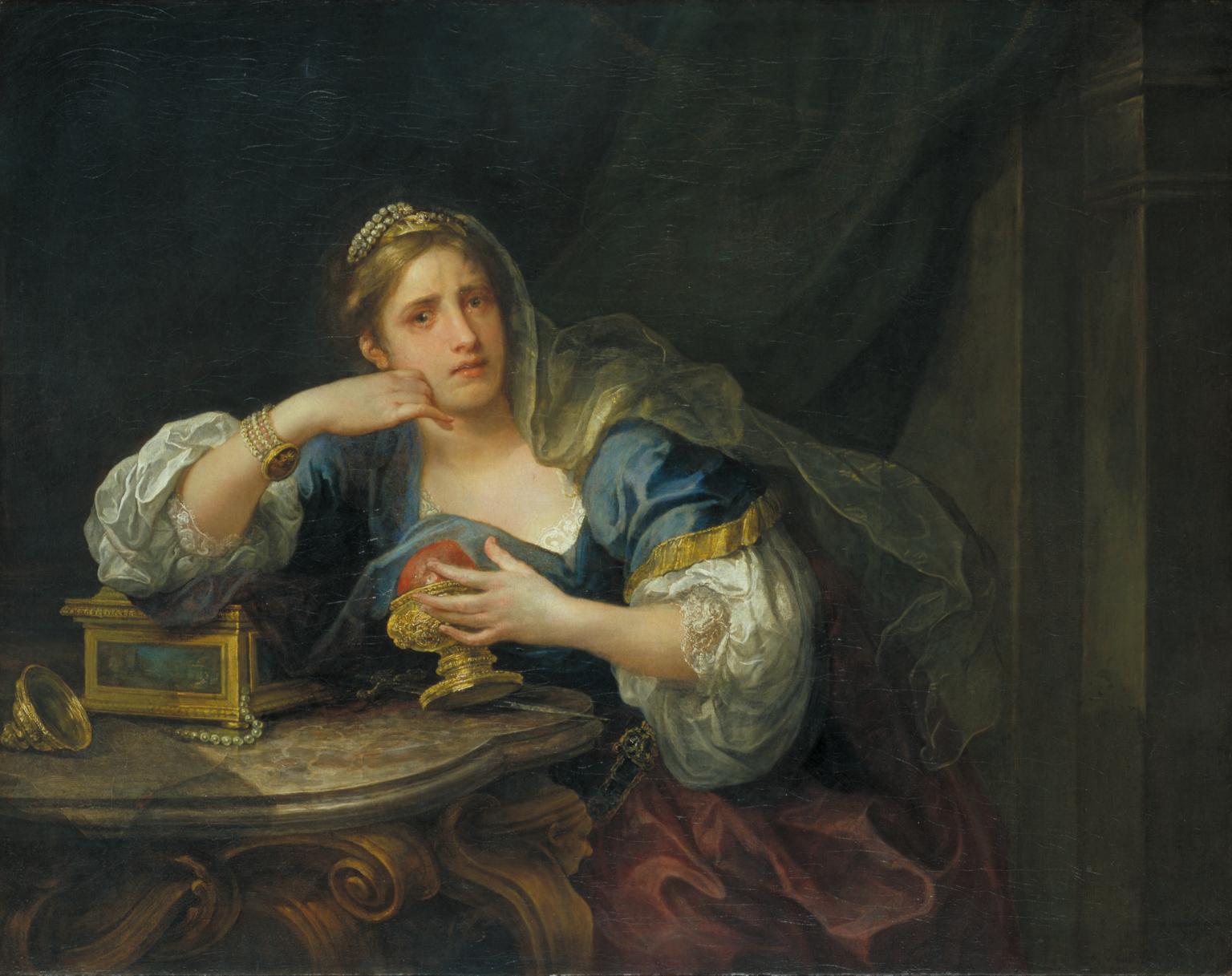
Sigismunda Mourning over the Heart of Guiscardo 1759 William Hogarth 1697-1764 Bequeathed by J.H. Anderdon 1879 http://www.tate.org.uk/art/work/N01046

The Death of Nelson is a painting by the American artist Benjamin West dated 1806.

Death on the Pale Horse by Benjamin West, 1817

The Intervention of the Sabine Women, by Jacques-Louis David, 1799

Sinking of the Centaur After: James Northcote Print made by: Thomas Gaugain

An Attempt to Illustrate the Opening of the Sixth Seal, 1828 Oil on Canvas 72 4/5 x 100 1/3 in. The National Gallery of Ireland, Dublin

Joshua Commanding the Sun to Stand Still upon Gibeon (1816) John Martin
Chapter Four
Chapter Five

Benjamin West, The Death of General Wolfe, 1770

Watson and the Shark by John Singleton Copley, 1778
Chapter Six

Coming of Age by William Powell Frith, 1849
Chapter Seven

The Finding of the Saviour in the Temple by William Holman Hunt, 1860

The Shadow of Death by William Holman Hunt, 1873

The Light of the World by William Holman Hunt

The Duchess of Abercorn and Child 1834-6 Sir Edwin Henry Landseer 1802-1873 Presented by Edwin L.MacKenzie 1914 http://www.tate.org.uk/art/work/N03008

The Illicit Highland Whisky Still by Edwin Landseer
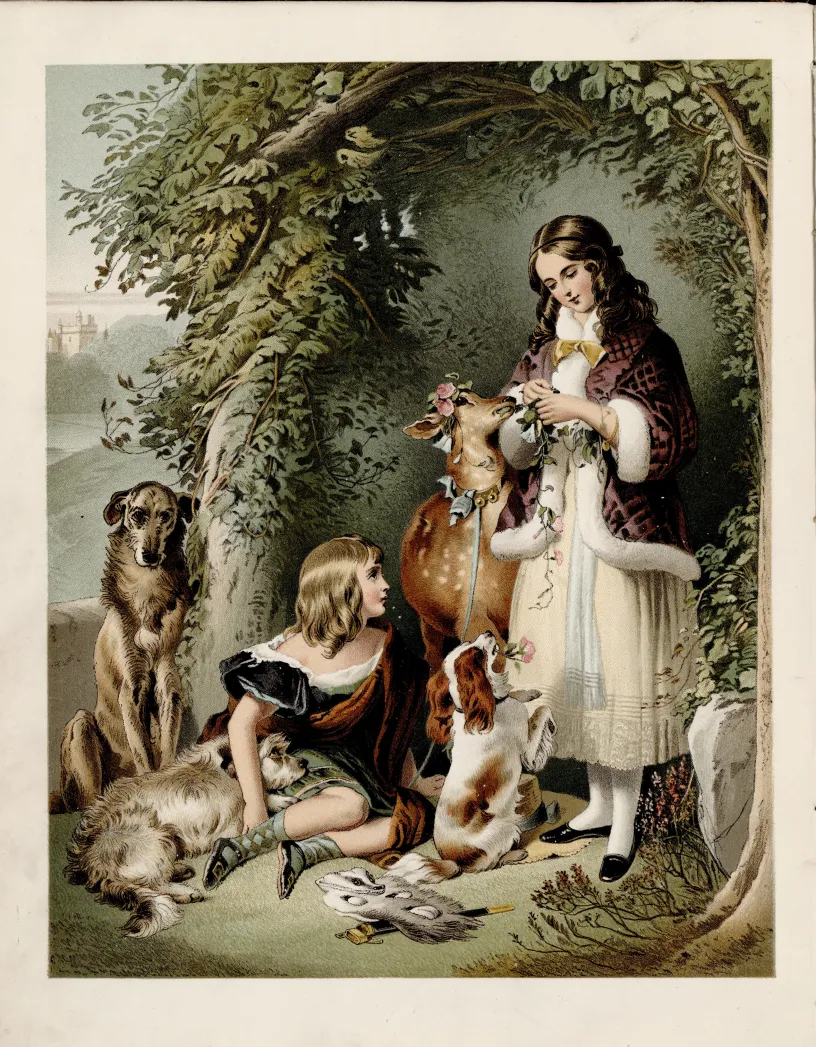
‘Duke of Sutherland’s Children’ by Sir Edwin Henry Landseer

Oxen at the Tank by Edwin Landseer, 1876

edwin-landseer-the-two-dogs
The Twa Dogs by Sir Edwin Landseer, 1822

The Monarch of the Glen by Sir Edwin Landseer 1851
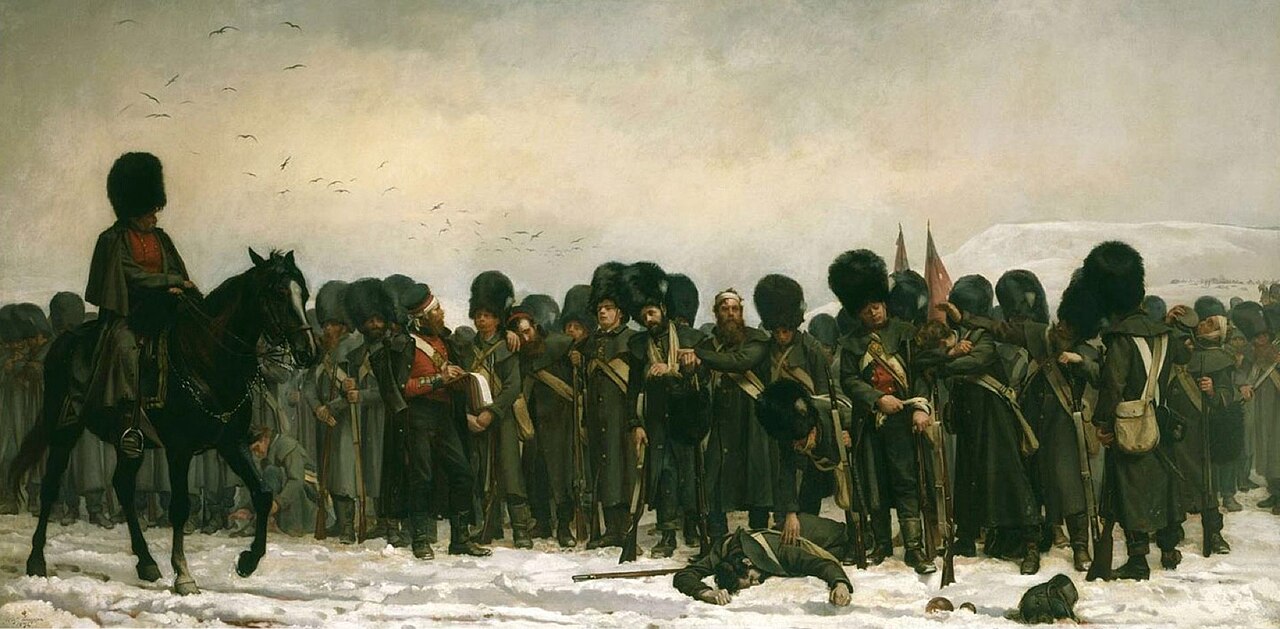
Calling the Roll After An Engagement, Crimea by Elizabeth Thompson, 1874
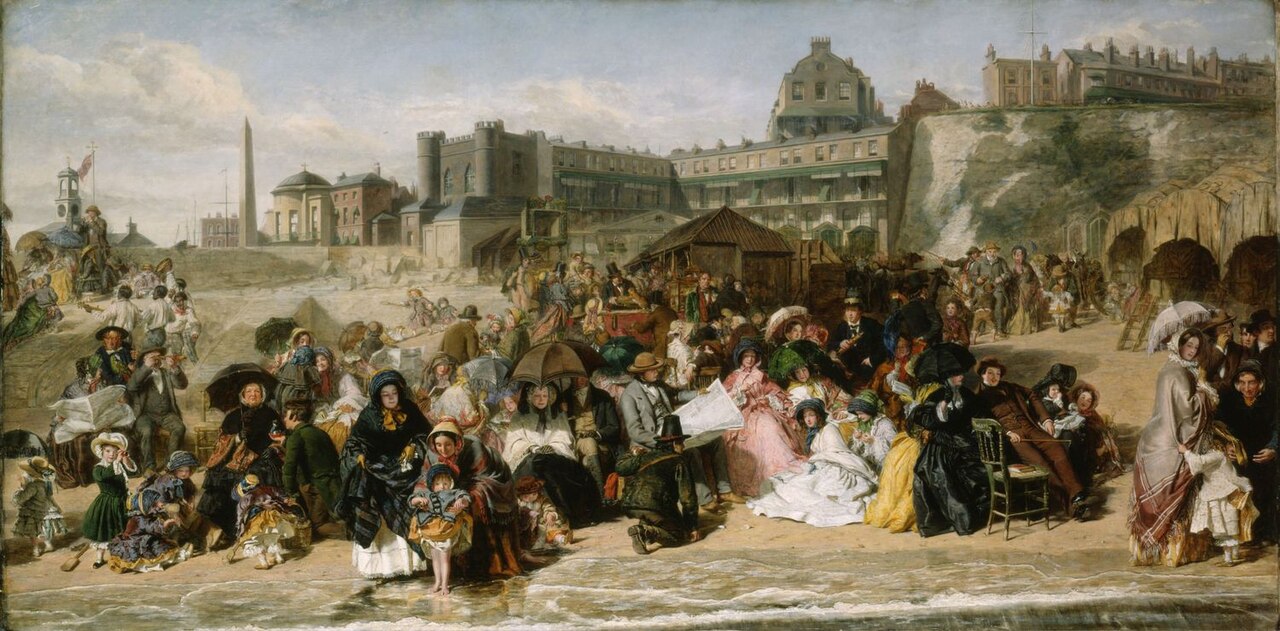
1280px-Ramsgate_Sands
Life at the Seaside by William Powell Frith, 1854

William_Powell_Frith_The_Railway_Station
The Railway Station by the William Powell Frith, 1862

1280px-William_Powell_Frith_-_The_Derby_Day_-_Google_Art_Project
The Derby Day by William Powell Frith, 1858

Brutus Condemning His Sons to Death by Guillaume Guillon-Lethière, 1788

1280px-JEAN_LOUIS_THÉODORE_GÉRICAULT_-_La_Balsa_de_la_Medusa_(Museo_del_Louvre,_1818-19)
The Raft of the Medusa by Théodore Géricault, 1818–1819
Chapter Eight
Chapter Nine
Chapter Ten
Chapter Eleven
Chapter eleven presents a brief summary and relates our research findings to the present art market. The process of commoditization we traced throughout the preceding chapters continues to shape the arts environment. Aesthetic theories and their associated art products have multiplied corresponding to the market’s expansion; exhibitions have become enormous in scope; dealers have become even more crucial to the arts environment; critics further entrenched themselves; a duopoly emerged in the international auction market; and numerous investment art funds, employing varying business models have become major players. Art market historians offer their services to art investors, and even academic art history, studio art and the international museum community have become an integral part of this multi-billion pound international market for cultural goods. A comprehensive understanding of our visual culture, both past and present, requires, therefore, that we take the formative effects of the market fully into account.
Glossary
NG: National Gallery, Lundo
SA: Society of Arts
ARA: Associate Royal Academician
RA: Royal Academician
BI: British Institution, 1806-67
ARSA:Associate of the Royal Society of Scottish Artists
RWS: Royal Watercolour Society
SS: Society of British Artists, Suffolk Street
NWS (RI): New Watercolour Society
OM: Order of Ment
OWS: Old Watercolour Society